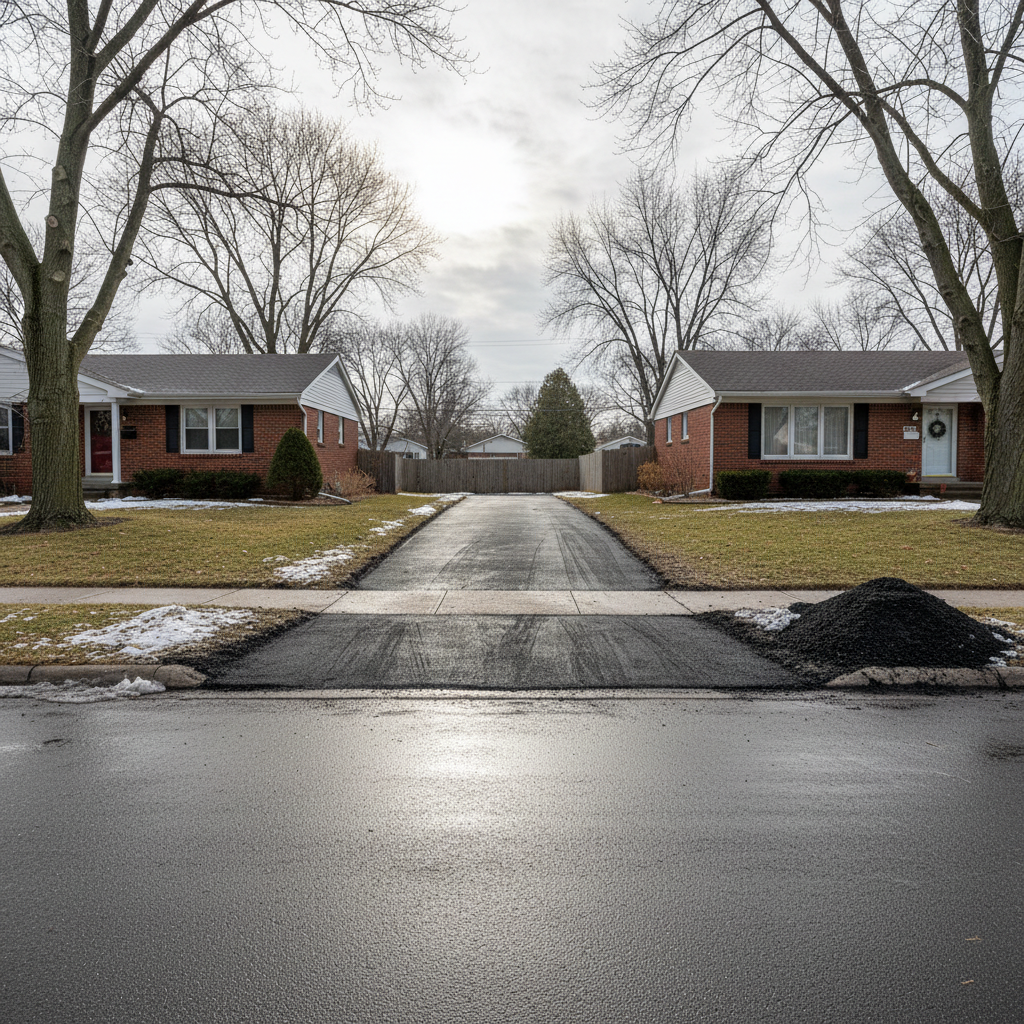
You've probably heard me talk about asphalt milling before, especially if you're looking to resurface your driveway without tearing out the whole thing. It's a smart way to get a fresh, smooth surface by removing just the top layer of old asphalt. But here in Detroit, like with most construction projects, timing is everything. You can't just mill whenever you feel like it; the weather has a big say in that, believe me.
When's the Best Time for Milling in Detroit?
Honestly, the sweet spot for asphalt milling in our neck of the woods is usually late spring, summer, and early fall. Think May through October. Why then? Because you need consistent, warmer temperatures. Milling machines work best when the asphalt is a bit more pliable, and the subsequent paving process needs warmth for proper compaction and curing.
- Spring (Late April/May): Once the ground thaws out completely and we're past those nasty freeze-thaw cycles that mess with everything, spring can be a good time. The ground needs to be stable, and we need daytime temps consistently above 50°F, ideally closer to 60°F.
- Summer (June-August): This is prime time. Long, warm days mean the asphalt is cooperative, and crews have plenty of daylight to get the job done efficiently. Less chance of unexpected cold snaps or heavy rains messing up the schedule, which is always a plus.
- Early Fall (September-October): Still a great window. The ground's warm, and you usually get good, stable weather. We just have to watch out for those first few hard frosts or extended cold spells that can sneak up on us by late October.
Trying to mill too early in spring when the ground is still saturated or too late in fall when temperatures are dropping fast? You're asking for trouble. The new asphalt won't bond right, and you'll be looking at cracks and failures much sooner than you should.
Weather Conditions That Affect Milling
It's not just about the season; it's about the daily conditions too. We're always keeping a close eye on the forecast when we're planning a milling project.
- Temperature: As I mentioned, warmer is better. If it's too cold, the asphalt gets brittle, making it harder to mill cleanly and increasing wear on the equipment. More importantly, laying new asphalt on a cold milled surface can lead to poor adhesion and premature cracking.
- Moisture: Rain is a big no-go. You can't mill effectively in the rain, and you definitely can't lay new asphalt on a wet surface. That's a recipe for disaster, trapping moisture underneath and weakening the whole structure. Even after a heavy rain, we need time for the surface to dry out completely before we can start.
- Humidity: While not as critical as temperature or rain, extremely high humidity can sometimes affect the curing process of new asphalt, though it's less of a concern for milling itself.
Here in Detroit, we get all four seasons, and sometimes it feels like all four in one week! That's why flexibility and good communication with your contractor are key. At Fortune Asphalt Detroit, we're always upfront about scheduling based on the forecast. We don't want to do a job that won't last, and you certainly don't want to pay for one.
Protecting Your Investment Year-Round
Once you've got that fresh, smooth milled and paved driveway, you want it to last, right? Here's how you can protect it, no matter what Detroit throws at it:
- Sealcoating: This is your first line of defense. A good sealcoat every 2-3 years protects against UV rays, water penetration, and oil spills. It's like sunscreen and a raincoat for your driveway.
- Crack Sealing: As soon as you see a crack, get it filled. Don't wait. Those small cracks are entry points for water, and when that water freezes in winter, it expands, turning small cracks into big potholes. This is especially true with our harsh Michigan winters.
- Proper Drainage: Make sure water isn't pooling on your driveway. If it is, you might need to address grading issues. Standing water is asphalt's worst enemy.
- Keep it Clean: Sweep off debris, leaves, and dirt regularly. This prevents organic matter from breaking down on the surface and keeps your driveway looking sharp.
- Avoid Heavy Loads: Try not to park heavy trucks or RVs on your residential driveway for extended periods. It can cause depressions and damage over time.
Milling is a fantastic option for rejuvenating your driveway, but like any good construction project, it needs to be done right and at the right time. Pay attention to the seasons, listen to your contractor about the weather, and then take care of that new surface. Do that, and you'll have a great-looking, long-lasting driveway for years to come.